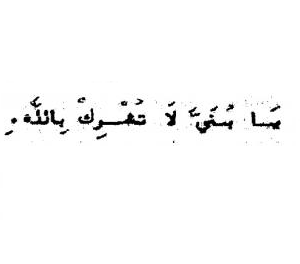
Ihyā' 'Ulūm ad-dīn is the title of a book written by
תְשׁוּבָה
(C)
al-Ghazālī
2
Zakatul-fitr is not permissible on
תְשׁוּבָה
(B)
kolanut
3
One of the ways by which Islamic civilization was manifested in West Africa was
תְשׁוּבָה
(C)
the employment of scholars of Arabic as envoys by kings and emperors
4
According to Hadīth 31 of an-Nawawi, man will be loved by 'Allāℎ if he is
תְשׁוּבָה
(C)
Indifferent to the world
5
The worst vice prevalent during the Jahiliyyah period was
תְשׁוּבָה
(B)
Disloyalty
6
One of the factors which helped the spread of Islam in West Africa was
תְשׁוּבָה
(C)
effective trade relationship
7
One of the most outstanding developments after the Hijrah was the
תְשׁוּבָה
(C)
emergence of the Muslim
8
Who among the prophets of 'Allāh was sent to his people to warn against deceit in term of measurement and weight
תְשׁוּבָה
(A)
Shuaib (A.S.)
9
Who among the four rightly guided caliphs introduced the systems of Bayr at māl?
תְשׁוּבָה
(A)
'Umar b. al-Khattāb
10
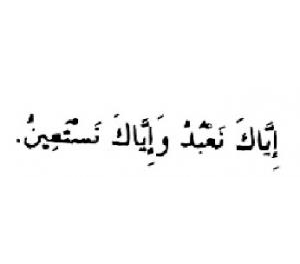
The verse above, is an expression of man's absolute
תְשׁוּבָה
(C)
loyalty to 'Allāℎ
11
Fount (of abundance) was given to the Prophet (S.A.W) and made known to him in sūrah
תְשׁוּבָה
(B)
Al-Kawthar
12
The Makkan forces were not successful at the battle of Khandaq because they
תְשׁוּבָה
(B)
were not familiar with the strategy of the Muslims
13
The first man on earth, Adam (A.S), was exalted above other creatures because of his
תְשׁוּבָה
(B)
knowledge
14
The term al-Mutawātir refers to Hadīth narrated by
תְשׁוּבָה
(A)
large number of narrators
15
In the Islamic law of inheritance, the share of the mother of the deceased who has no children is
תְשׁוּבָה
(A)
1/3
16
In sūrah al-Qāri'ah, mankind is compared to
תְשׁוּבָה
(C)
scattered moths
17
Jihād against carnal self is a
תְשׁוּבָה
(C)
major jihād
18
According to Islamic teachings, angels are
תְשׁוּבָה
(D)
loyal servants of Allah
19
The Jahiliyyah practice that was gradually phased out is
תְשׁוּבָה
(C)
alcoholism
20
According to Qur'ān 4:48, to set up partners with Allah is a great offense which Allah will not forgive
תְשׁוּבָה
(A)
even if He forgives all other sins
21
'Still less can their knowledge comprehend the hereafter ...' Q. 27:66).This verse above of the Qur'ān implies that
תְשׁוּבָה
(B)
most men do not believe in the Hereafter
22
Where the husband and wife mutually agree to termite their marriage contract without anything against each other, such a dissolution is termed
תְשׁוּבָה
(A)
mubāra'ah
23
The importance of knowledge of isnād and matn lies in the fact that
תְשׁוּבָה
(D)
the two make it easy to identify fault in Hadīth
24
The statement in Hadīth 25 above gave rise to the explanation as to the different ways by which
תְשׁוּבָה
(D)
alms can be given
25
The man who analyzed the first encounter the Prophet (S.A.W) with Angel Jibril was
תְשׁוּבָה
(C)
Waraqah b. Nawfal
26
From the above, the goal of luqmān's counsel to his son:... As contained in sūrah 31:13 is to
תְשׁוּבָה
(C)
Warn against finding partners for Allah
27
'It is most hateful in the sight of Allah that you say that which you do not' (Q. 61:3). The main teaching of the verse above is honesty in
תְשׁוּבָה
(A)
Words and deeds
28
An aspect of the Nigerian culture which may be regarded as shirk is
between boys and girls
תְשׁוּבָה
(A)
worship of ancestors
29
The period of custody of a baby girl after her mother has been divorced lasts until she is
תְשׁוּבָה
(A)
Married
30
The Muslim soldier who introduced Islam into Tripoli was
תְשׁוּבָה
(B)
'Uqbah b. Nāfī
31
The Prophet (S.A.W) enjoins that if anyone sees an abomination, the least thing to do is to
תְשׁוּבָה
(D)
hate it in his heart
32
In the hadīth that ends with '...piety is based right here ...', the Prophet (S.A.W.) meant the
תְשׁוּבָה
(C)
Heart
33
Asmā' ar - rijāl is a term used by scholars of
תְשׁוּבָה
(D)
Hadīth
34
'If ye do it not, take notice of war from 'Allah and His Apostle: But if ye turn back,ye shall have your capital sums ...' (Q.2:279) The quotation above warns against
תְשׁוּבָה
(A)
Usury
35
Ahmad bab, one of the early West African 'Ulamā', was based in