The process by which plants loss water to the atmosphere is
Răspuns
(A)
transpiration
3
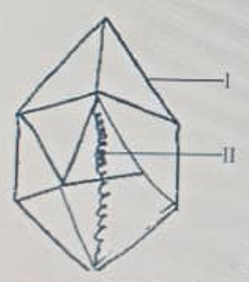
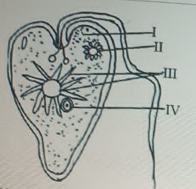
Use the diagram above to answer the question that follows
The organism belongs to kingdom
Răspuns
(A)
monera
4
The formation of cilia and flagella in living cells is carried out with the help of
Răspuns
(C)
centriole
5
The food nutrient with the highest energy value is
Răspuns
(C)
lipid
6
I
6 X + 6 H\(_2\)O → C\(_6\)H\(_{12}\)O\(_6\) + 6O\(_2\)
III chlorophyll II IV
Use the diagram above to answer question that follows
The part labelled I is
Răspuns
(C)
sunlight
7
Bilateral symmetry,cylindrical bodies and double openings are characteristic features of
Răspuns
(A)
nematodes
8
Mouth part adapted for piercing and sucking is found in
Răspuns
(C)
mosquito
9
The web-feet of frogs and toads is basically for
Răspuns
(C)
swimming
10
The part of the inner ear that is responsible for hearing is
Răspuns
(B)
cochlea
11
The changes of living organisms over generation is referred to as
Răspuns
(B)
organic evolution
12
In a cross involving a heterozygous red flower plant (Rr) and a white flowered plant (rr). What is the probability that the offspring will be Rr?
Răspuns
(A)
\(\frac{1}{2}\)
13
Inbreeding is highly discouraged in humans because it may
Răspuns
(D)
lead to outbreak of hereditary diseases
14
One main feature of trees in the savanna habitat is the possession of
Răspuns
(D)
thick, corky bark
15
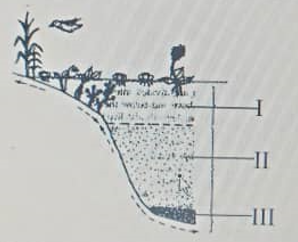
Use the diagram above to answer the question that follows
The zone labelled II is called
Răspuns
(C)
littoral zone
16
Which of the following structures enables the exchange of gases in insects?
Răspuns
(B)
tracheae
17
The total number of ATP produced during glycolysis is
Răspuns
(C)
4 molecules
18
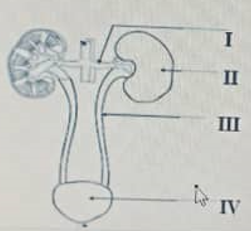
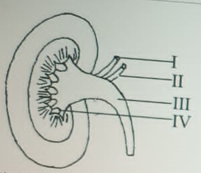
Use the diagram above to answer the question that follows
The diagram above is
Răspuns
(C)
urinary system
19
Bile is a greenish alkaline liquid which is stored in the
Răspuns
(A)
gall bladder
20
A medium texture soil with high organic matter is
Răspuns
(B)
loamy
21
One of the following is an example of discontinuous variation
Răspuns
(B)
blood group
22
The type of variation where there are no remarkable differences between the two extreme individuals is called
Răspuns
(A)
continuous variation
23
The transmission of diseases through contamination of food is an economic importance of
Răspuns
(B)
cockroaches
24
Bryophyte is an intermediate group between higher algae and
Răspuns
(B)
pteridophyte
25
Ecological succession can result from
Răspuns
(A)
newly formed habitat
26
The first organism evolved from which of the following habitat?
Răspuns
(C)
aquatic
27
Which of these pair of substances must be present for a seed to germinate in a laboratory set-up?
Răspuns
(B)
heat and water
28
A fruit formed from one flower with many carpels is referred to as
Răspuns
(C)
aggregate
29
Which of the following plant is found in the ground layer of a tropical rainforest in Nigeria?
Răspuns
(B)
liverwort
30
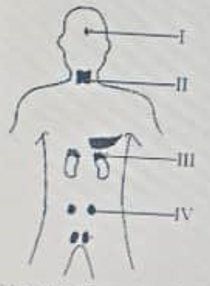
Use the diagram above to answer the question that follows
The endocrine gland that is located in the part labelled I is
Răspuns
(D)
pituitary
31
Which of the following processes takes place in the carbon cycle?
Răspuns
(C)
combustion
32
Which of the following plants shows hypogeal germination?
Răspuns
(C)
maize
33
In vascular plants, xylem tissue is responsible for
Răspuns
(A)
transportation of water
34
The causative agent of tuberculosis is
Răspuns
(B)
bacteria
35
Which of these is a respiratory organ in mammals?
Răspuns
(D)
lungs
36
Which of the Nigeria states is Northern guinea savanna located?
Răspuns
(D)
Kwara
37
Darwin's theory of evolution is based on the principle of
Răspuns
(B)
natural selection
38
Similar structures that are modified to work in different ways in different organisms are referred to as
Răspuns
(A)
homologous structures
39
One of the ways of controlling Schistosomiasis is by
Răspuns
(A)
destroying water snails and water weeds
40
The central nervous system comprises of
Răspuns
(B)
brain and spinal cord
41
Use the diagram above to answer the question that follows
The organelle that shows the organism has plant characteristics is
Răspuns
(C)
III
42
Reproduction in paramecium is by
Răspuns
(A)
binary fission
43
A community with a population of two million three hundred and ten thousand people living in an area of two thousand three hundred and ten square kilometres has a population density of
Răspuns
(D)
1000
44
A succession that occurs in an area where there are no pre-existing community is called
Răspuns
(B)
primary succession
45
Which of the following processes releases oxygen to the atmosphere?
Răspuns
(D)
photosynthesis
46
The depressed side of paramecium which is lined with cilia leads to a tube-like structure called
Răspuns
(C)
gullet
47
The rhizoid of liverwort is
Răspuns
(A)
unicellular and unbranched
48
In glycolysis, glucose is broken down through series of reactions in the presence of enzyme and absence of oxygen to produce
Răspuns
(C)
pyruvic acid + ATP
49
Gaseous exchange takes place through the plasma membrane in
Răspuns
(B)
paramecium
50
One of the characteristics of secondary succession is that it
Răspuns
(C)
starts on already colonized surface
51
One of the components of xylem tissue is
Răspuns
(B)
tracheid
52
Which of the following statements explains the theory of natural selection?
Răspuns
(C)
The weaker offspring are eliminated
53
The chemical and physical composition of soil is an example of
Răspuns
(C)
Edaphic factor
54
The abiotic factor that affect the population growth of an organism is
Răspuns
(B)
rainfall
55
The cells responsible for transmitting messages to the effectors are
Răspuns
(A)
motor neurons
56
The oxygen transported to all parts of the body during blood circulation is used for the
Răspuns
(C)
release of energy from food
57
After fertilization in plants, the zygote develops into
Răspuns
(B)
an embryo
58
Use the diagram above to answer the question that follows
The organ is responsible for
Răspuns
(B)
osmoregulation
59
Which of the following evidences of evolution employs the use of radio-isotope dating?
Răspuns
(C)
Fossil records
60
Pentadactyl forelimb of vertebrate function due to differences in environment is
Răspuns
(B)
physiological evidence
61
The feeding relationship between ruminants and the bacteria in their digestive tract is
Răspuns
(C)
symbiotic
62
A photosynthetic carnivorous plant which feeds on insects is
Răspuns
(D)
insectivorous
63
Xerophytes are mostly found in the
Răspuns
(A)
arid land
64
In which zone of the marine habitat does the organisms require adaptation for attachment?
Răspuns
(C)
intertidal
65
Energy transfer in plants and animals are in the form of
Răspuns
(B)
ATP
66
The pigment carrying oxygen in the blood is
Răspuns
(B)
haemoglobin
67
Production of healthier offspring, viable seeds and formation of new varieties are good characteristics
Răspuns
(B)
cross pollination
68
One of the following is a courtship behaviour in animals
Răspuns
(B)
display
69
In blood transfusion, a patient with group AB receives
Răspuns
(D)
Group O, A, B, AB
70
A trait that is always expressed during crossing of hereditary characteristics is
Răspuns
(B)
dominant trait
71
Blood group AB is considered as universal recipient because they can receive blood from groups
Răspuns
(D)
A, B, AB and O
72
An example of organism that exhibits counter-shading to escape from its predator is
Răspuns
(C)
fish
73
A form of adaptive colouration that helps animals to remain unnoticed is
Răspuns
(C)
countershading
74
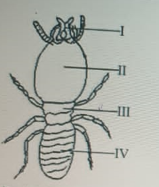
Use the diagram above to answer the question that follows
The part labelled III is
Răspuns
(D)
thorax
75
Lamarck's theory of evolution is based on the idea of
Răspuns
(A)
the inheritance of acquired traits
76
How many chromosomes will be present in a gamete if the somatic cell has 8 chromosomes?
Răspuns
(C)
4
77
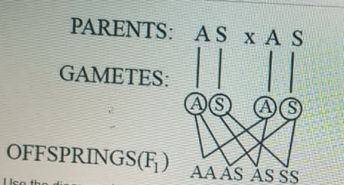
Use the diagram above to answer the question that follows
What is the genotypic ratio of the offspring produced in F\(_1\) generation?
Răspuns
(B)
1:2:1
78
Body temperature, thirst and hunger are regulated by
Răspuns
(B)
hypothalamus
79
Cell division that involves the growth, development, repairs and replacement of worn out tissues is
Răspuns
(B)
mitosis
80
Use the diagram to answer the question that follows
The flower of plants belongs to part labelled
Răspuns
(C)
III
81
The bacteria in the large intestine of man synthesizes
Răspuns
(C)
amino acids and vitamins
82
The main excretory product of earthworm is
Răspuns
(C)
urea
83
Which of the following conditions causes aestivation in animals?
Răspuns
(B)
Drought
84
An instrument used for measuring the intensity of light
Răspuns
(B)
photometer
85
A common component of blood and lymph is
Răspuns
(D)
white blood cell
86
The part of the kidney where the selective reabsorption takes place is
Răspuns
(C)
Henle's loop
87
The schlerenchyma tissues consist of
Răspuns
(A)
dead cell
88
The number of vertebrae in the human vertebral column is
Răspuns
(B)
33
89
The organisms that adopt swarming as an adaptation to overcome overcrowding are
Răspuns
(D)
termites
90
Loamy soil is characterized by
Răspuns
(D)
high humus and moderate porosity
91
The cone in the retina of eye is an example of
Răspuns
(A)
cell
92
The part of the flower that develops into seed is
Răspuns
(A)
ovule
93
Which of these is a medium of transportation in plants?
Răspuns
(A)
cell sap
94
Which of the following is a viral disease?
Răspuns
(B)
Measles
95
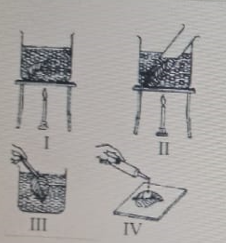
Use the diagram above to answer the question that follows
The experiment is set up to determine the presence of
Răspuns
(B)
starch
96
The type of circulatory system found in arthropods and some molluscs is
Răspuns
(A)
open circulatory system
97
In plants, the main excretory product produced during metabolism is
Răspuns
(C)
carbon(iv)oxide
98
Use the diagram above to answer the questions that follow
The part labelled I is
Răspuns
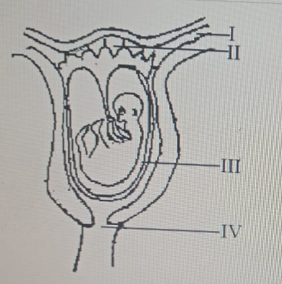
(A)
oviduct
99
Comparative anatomy to study evidence for evolution depends on
Răspuns
(D)
five fingered
100
Iron is an essential nutrient in plants because it
Răspuns
(A)
aids in the formation of chlorophyll and proteins
101
The endocrine gland that is called the master gland is the
Răspuns
(C)
pituitary gland
102
Which of the following characteristics is possessed by both living and non-living things?
Răspuns
(C)
Both have weight
103
Infectious diseases are caused by
Răspuns
(A)
bacteria
104
The cell organelle responsible for the synthesis of protein is the
Răspuns
(D)
ribosome
105
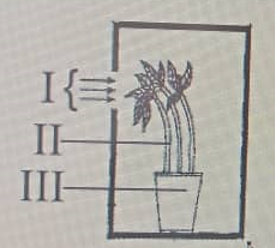
Use the diagram above to answer the question that follows
The diagram demonstrates
Răspuns
(B)
phototropism
106
Which of the following factors can lead to overcrowding?
Răspuns
(C)
High natality
107
The common examples of trees found in the desert are
Răspuns
(B)
baobab and cacti
108
If the F1 generation allows for self-pollination, what will be the genotypic ratio of the offspring?
Răspuns
(A)
1 : 2 : 1
109
The resemblance of an organism to another organism as means of enhancing it's chances of survival in its habitat is known as
Răspuns
(C)
mimicry
110
The urinary tubules opens into a proximal convoluted tubule coils to form distal by making a
Răspuns
(C)
U- shaped loop
111
A discontinuous morphological variation often used in crime detection is the
Răspuns
(C)
finger prints
112
The component that serves as major buffer in blood is
Răspuns
(A)
plasma
113
DNA carries the genetic information and are generally found in the
Răspuns
(B)
chromosomes
114
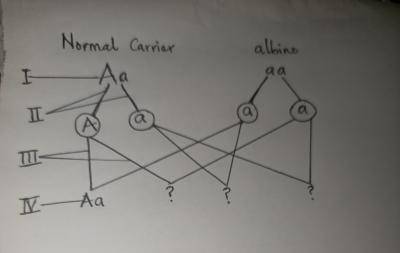
Use the diagram above to answer the question that follows:
Recombination of genes at fertilization is represented by the part labelled