The man who analyzed the first encounter the Prophet (S.A.W) with Angel Jibril was
Jawab
(B)
Waraqah b. Nawfal
2
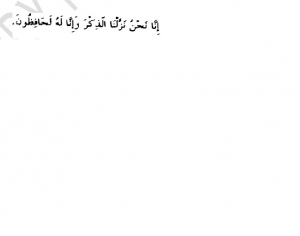
The main message of the verse above is that the
Jawab
(B)
protection of the Glorious Qur’ān is a divine responsibility
3
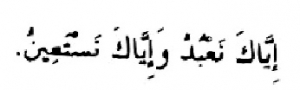
The verse above, is an expression of man’s absolute
Jawab
(A)
loyalty to ‘Allāℎ
4
In sūrah al-Qāri’ah, mankind is compared to
Jawab
(A)
scattered moths
5
Fount (of abundance) was given to the Prophet (S.A.W) and made known to him in sūrah
Jawab
(D)
al-Kawthar
6
The basic theme of sūrah al-Zil Zāl is the description of
Jawab
(A)
fearful events of the Day of Judgment
7
The major theme of āyah Amanar-Rasāl is
Jawab
(B)
the articles of faith
8
The Sahāba were the first embark on the interpretation of the Glorious Qur’ān in order to
Jawab
(B)
bring out the treasures in the Glorious Qur’ān
9
The scholar who adopted Tafsīr bil Ma’athūr in his commentary was
Jawab
(C)
At-Tabari Abū Jāfar Muhammed b. Jarir
10
The term ‘Asmā ar-Rijāl’ refers to the investigation of the
Jawab
(C)
criticism of the narrators
11
The importance of knowledge of isnād and matn lies in the fact that
Jawab
(C)
the two make it easy to identify fault in Hadīth
12
The term al-Mutawātir refers to Hadīth narrated by
Jawab
(D)
large number of narrators
13
The Prophet (S.A.W) enjoins that if anyone sees an abomination, the least thing to do is to
Jawab
(C)
hate it in his heart
14
According to Hadīth 31 of an-Nawawi, man will be loved by ‘Allāℎ if he is
Jawab
(A)
indifferent to the world
15
The statement in Hadīth 25 above gave rise to the explanation as to the different ways by which
Jawab
(B)
alms can be given
16
In sūrah 17:23 ‘Allāh decrees that
Jawab
(A)
none should be worshipped but Him
17
Labour crises could be resolved if employers of labour adhere to the Prophet’s advice which says
Jawab
(A)
pay the labourer before his sweat dry
18
Q.2:219 prohibits wine and gambling for the Muslims because
Jawab
(B)
the sins in them are greater than the profits
19
The forbidden types of food listed in sūrah 2:173 include carrion, blood, swine flesh and that which is
Jawab
(A)
dedicated to other gods
20
The admonition against arrogance in sūrah 31:18 is directed to the son of
Jawab
(C)
Luqmān
21
‘… here are my daughters: they are purer
for you’… (Q.11:78)
The statement above was made by Prophet Lūt to discourage
Jawab
(A)
homosexuality
22
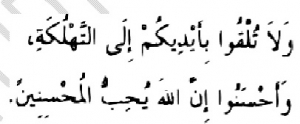
Sūrah 2:195 above can be interpreted as discouraging
Jawab
(D)
smoking
23
Mutilation which is stipulated in Q. 5:38 for theft is described as
Jawab
(A)
an exemplary punishment
24
“Allāh doth command you
To render back your Trusts
To those to whom they are due;
And when ye judge
Between man and man
That ye judge with justice…’ (Q.4:58).
Inherent in the Qur’ānic verse above are the virtues of amānah and
Jawab
(D)
adālah
25
Ar-Rahmān as one of the attributes of Allāh implies that He is
Jawab
(A)
kind to His servants
26
The word Hāfizī n in Q.82:10 refers to
Jawab
(C)
Angels
27
The prophet who assisted Prophet Ibrahīm (A.S.) in the reconstruction of the Ka'abah the
Jawab
(D)
Ismāil (A.S).
28
Sūrah 79:24 reveals that Pharaoh’s action is incompatible with the Islamic principle of Tawhīd because he
Jawab
(D)
equated himself with ‘Allāh.
29
The art of witchcraft is disapproved of in Sūra
Jawab
(B)
al-falaq
30
A mature Muslim who wakes up only to discover that it was the first day of Ramādān is expected to
Jawab
(A)
observe imsāk and make up
31
Zakatul-fitr is not permissible on
Jawab
(D)
kolanut
32
Jihād against carnal self is a
Jawab
(B)
major jihād
33
‘…He created for you mates from among yourselves, that ye may dwell in tranquility with them …’(Q.30:21)
The verse above discusses the
Jawab
(B)
reasons for marriage
34
The message contained in the Glorious Qur’ān 4:34 centres on the
Jawab
(A)
rights and duties of a couple
35
Men and women are considered equal in Q.16:97 in relation to
Jawab
(B)
piety
36
Where the husband and wife mutually agree to termite their marriage contract without anything against each other, such a dissolution is termed
Jawab
(D)
mubāra’ah
37
The period of custody of a baby girl after her mother has been divorced lasts until she is
Jawab
(A)
married
38
In the Islamic law of inheritance, the share of the mother of the deceased who has no children is
Jawab
(B)
1/3
39
Fard and Harām in the scope of sharī'ah mean
Jawab
(D)
obligatory and prohibited
40
‘If ye do it not, take notice of war from ‘Allah and His Apostle: But if ye turn back,ye shall have your capital sums …’ (Q.2:279)
The quotation above warns against
Jawab
(C)
usury
41
Who among the prophets of ‘Allāh was sent to his people to warn against deceit in term of measurement and weight?
Jawab
(A)
Shuaib (A.S.)
42
The worst vice prevalent during the Jahiliyyah period was
Jawab
(A)
disloyalty
43
The Jahiliyyah practice that was gradually phased out is
Jawab
(D)
alcoholism.
44
One of the most outstanding developments after the Hijrah was the
Jawab
(C)
emergence of the Muslim ‘Ummah
45
The Makkan forces were not successful at the battle of Khandaq because they
Jawab
(D)
were not familiar with the strategy of the Muslims