A group of closely related organisms capable of interbreeding to produce the fertile offspring are known as members of a
תְשׁוּבָה
(D)
species
2
A beaker of pond water containing few specimens of Euglena was placed in a dark room for two weeks. At the end of this period, the specimens of Euglena were still alive because they were
תְשׁוּבָה
(A)
able to carry out holozoic nutrition
3
The cytoplasm of a cell is considered a very important component because it
תְשׁוּבָה
(B)
suspends all cell organelles
4
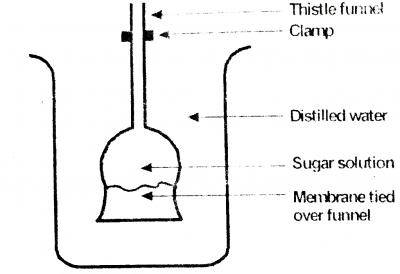
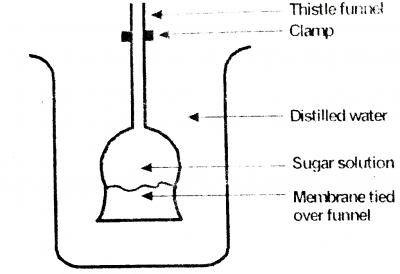
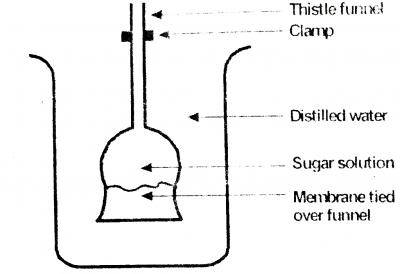
Use the diagram shown to answer the question. After an hour, the level of water in the thistle funnel will
תְשׁוּבָה
(A)
rise
5
Use the diagram shown to answer the question. The experiment above is used to demonstrate the process of
תְשׁוּבָה
(D)
osmosis
6
Use the diagram shown to answer the question. In plant cells, the role of the membrane is played by the
תְשׁוּבָה
(B)
cell wall
7
Red blood cells were found to have burst open after being placed in distill for an hour. This phenomenon is known as
תְשׁוּבָה
(C)
haemolysis
8
The curvature movement of plants in response to the stimulus of water is called
תְשׁוּבָה
(A)
hydrotropism
9
The overall reaction in glycolysis can be summarised as
Which of the following structures is not a skeletal material?
תְשׁוּבָה
(D)
Muscle
12
The reason why the flow of blood through the capillaries is very slow is
תְשׁוּבָה
(D)
Their large numbers and one cell-thick walls enables them to provide a large surface area through which materials can be exchanged between the blood and the body cells.
13
Which of the following groups of organisms has kidney as the excretory organ?
תְשׁוּבָה
(A)
Fishes, amphibians, birds, man
14
Which of the following features is not a characteristic of arteries? Arteries
תְשׁוּבָה
(A)
possess valves at internals throughout their length
15
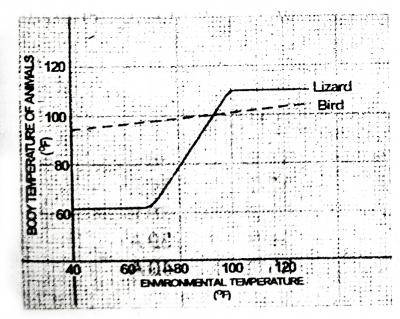
The graph below shows the results of a laboratory investigation which measured the body temperatures of a lizard and a bird under changing artificial conditions. Use it to answer the question.
Which of the statements below is valid?
תְשׁוּבָה
(B)
The body temperature of the bird varied less than that of the lizard during changes in environmental temperature
16
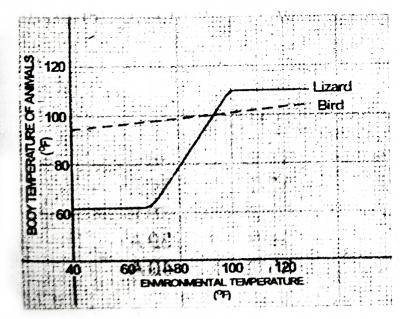
The graph above shows the results of a laboratory investigation which measured the body temperatures of a lizard and a bird under changing artificial conditions. Use it to answer the question.
What physiological term can be used to describe the regulation of the body temperature of the of the Lizard?
תְשׁוּבָה
(C)
Poikilothermy
17
The reason why hospitals use saline solutions as drip Instead of water is
תְשׁוּבָה
(C)
to maintain the composition of body fluids
18
The part of the ear which contains nerve cells sensitive to sound vibrations is the
תְשׁוּבָה
(A)
cochlea
19
Spectacles with convex lenses correct long-sightedness by
תְשׁוּבָה
(A)
converging the light rays before they enter the eye
20
A seed of a flowering plant can best be described as
תְשׁוּבָה
(B)
the developed ovule
21
Which of the following processes removes carbon from the atmosphere?
תְשׁוּבָה
(B)
photosynthesis
22
Which of the following cycles involves the process of precipitation and transpiration?
תְשׁוּבָה
(A)
water cycles
23
What is the critical limiting factor for plants below the photic zone in an aquatic ecosystem?
תְשׁוּבָה
(C)
intensity of light
24
Which of the following instruments is used to estimate the number of plants in a habitat?
תְשׁוּבָה
(C)
quadrant
25
Which of the following statements is true about sandy soil?
תְשׁוּבָה
(B)
is light and easy to dig
26
Which of the following organisms is a primary consumer?
תְשׁוּבָה
(B)
sheep
27
Study the diagram of a food chain shown and use; it to answer the question.
P ---> Q ---> R ---> S ---> T
The organism designated P in the food chain above is normally sustained by energy from
תְשׁוּבָה
(A)
sunlight
28
Study the diagram of a food chain shown and use; it to answer the question.
P ---> Q ---> R ---> S ---> T
Which of the following statements best describes the organism designated R? It
תְשׁוּבָה
(D)
is a secondary consumer
29
Which of the following diseases is not hereditary?
תְשׁוּבָה
(B)
Scabies
30
The immediate product of meiosis in flowering plants is the
תְשׁוּבָה
(B)
gametophyte
31
DNA in eukaryotic cells is contained in the
תְשׁוּבָה
(B)
nucleus
32
A woman who is heterozygous for the disease haemophilia marries a man who is haemophilic. What percentage of their offspring would have the disease?
תְשׁוּבָה
(C)
50%
33
Cytokinesis of mitosis is a process that ensures that
תְשׁוּבָה
(A)
each daughter cell gets the necessary organelles
34
An animal which is active during the day is known as a
תְשׁוּבָה
(B)
diurnal animal
35
Evidence of evolution include the following except?
תְשׁוּבָה
(D)
geographical distribution of organisms
36
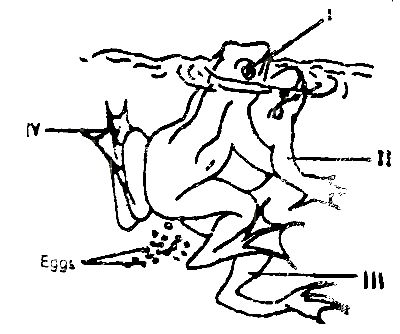
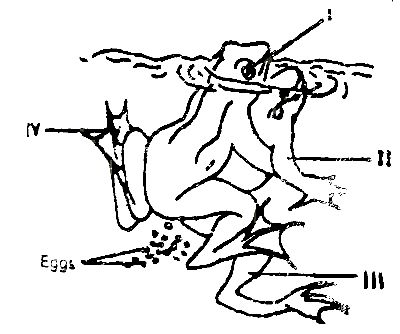
Use the diagram to answer the question. The diagram shows that the organisms are
תְשׁוּבָה
(C)
oviparous
37
Use the diagram to answer the question. The breeding posture illustrated in the diagram is knows as
תְשׁוּבָה
(B)
amplexus
38
An accurate identification of a rapist can be carried out by conducting
תְשׁוּבָה
(B)
DNA analysis
39
A boy who is fond of swimming in a pond finds himself passing urine with traces of blood. He is like to have contracted?
תְשׁוּבָה
(A)
schistosomiasis
40
The flippers of a whale and the fins of a fish are examples of
תְשׁוּבָה
(D)
convergent evolution
41
The yellowish colored liquid component of blood that normally holds the blood cells in suspension is
תְשׁוּבָה
(B)
plasma
42
The function of pith in plant is
תְשׁוּבָה
(B)
Pith, or medulla, is a tissue in the stems of vascular plants. Pith is composed of soft, spongy parenchyma cells, which store and transport nutrients throughout the plant.
43
A pollutant that is mostly associated with acid rain is
תְשׁוּבָה
(A)
Nitrogen oxides
44
What is the function of contractile vacuole in paramecium?
תְשׁוּבָה
(D)
Gets rid of excess water
45
An organism which exhibit extracellular digestion is
תְשׁוּבָה
(D)
Rhizopus
46
How many days is used for incubation of an egg to release chick
תְשׁוּבָה
(A)
21
47
The four classes of cnidarian include the following except
תְשׁוּבָה
(A)
Turbellaria
48
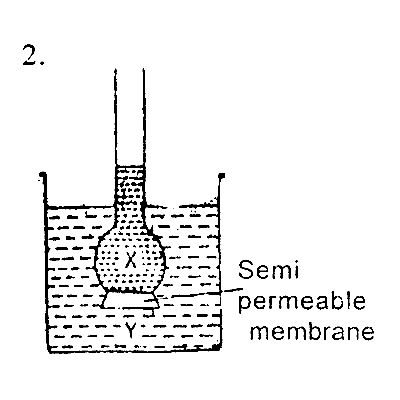
What would happen if solution Y is more concentrated than solution X in fig 2
תְשׁוּבָה
(D)
The level of Y would rise, X would fall.
49
Physiological adaptation to very dry conditions in animal demonstrates
תְשׁוּבָה
(C)
Aestivation
50
The hormones secreted by pancreas serves to
תְשׁוּבָה
(C)
Lower blood glucose level
51
Blood circulation in a mammal is said to be double because
תְשׁוּבָה
(A)
It passes twice through the heart in a complete circuit
52
Examples of animals with mammary glands include the following except
תְשׁוּבָה
(D)
Hen
53
The hygrometer is used for measuring
תְשׁוּבָה
(A)
Relative Humidity
54
Mineral salts can be absorbed into roots by
תְשׁוּבָה
(C)
Diffusion and active transport
55
Which is an Animal without red blood cells
תְשׁוּבָה
(B)
Earthworm
56
The temporary union of two organisms and the exchange of micronuclear elements is called
תְשׁוּבָה
(A)
Conjugation
57
A plant tissue that carries water and mineral salt is
תְשׁוּבָה
(A)
Xylem
58
Which of the following relationship involves only one organism
תְשׁוּבָה
(A)
Saprophytism
59
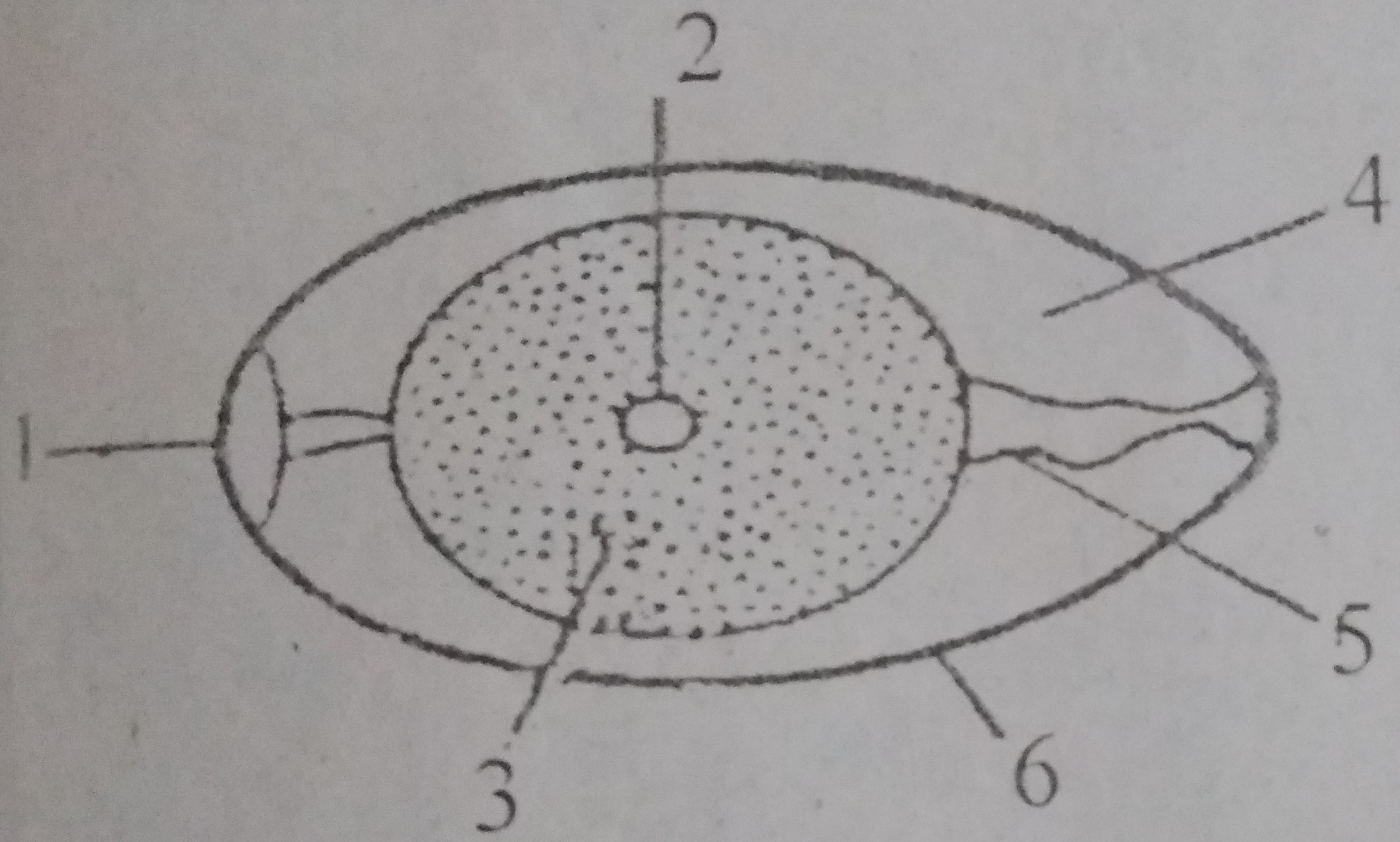
Which parts provides food for the developing chick?
תְשׁוּבָה
(C)
3 and 4
60
The outer membrane that covers the brain is
תְשׁוּבָה
(B)
Dura mater
61
The process in which plant uses sunlight to synthesize nutrients from carbon dioxide and water is called
תְשׁוּבָה
(D)
Photosynthesis
62
Cold blooded animals are referred to as
תְשׁוּבָה
(A)
Poikilothermic
63
the vessel carrying oxygenated blood to the tissues is
תְשׁוּבָה
(A)
Arteries
64
Which of the following is a mixed gland
תְשׁוּבָה
(C)
Pancreas
65
A group of organism of the same species living together in a particular area is described as
תְשׁוּבָה
(C)
Population
66
Tikka disease is related with the crop:
תְשׁוּבָה
(C)
Groundnut
67
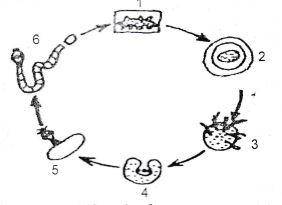
At which stage in this cycle can a man be infected?
תְשׁוּבָה
(B)
4
68
Total salt content in blood is about
תְשׁוּבָה
(D)
0.85 to 0.9%
69
The role of scolex in tapeworm is to
תְשׁוּבָה
(B)
attachment to the host
70
Which of the following animals is cold blooded
תְשׁוּבָה
(B)
Lizard
71
The energy released by 1 gram of glucose is
תְשׁוּבָה
(B)
4 kcal
72
What is the function of trichocyst in paramecium
תְשׁוּבָה
(B)
Defence
73
Man can contact tapeworm through
תְשׁוּבָה
(A)
ingesting uncooked meat
74
An example of a radially symmetrical organisms is
תְשׁוּבָה
(B)
Hydra
75
Maltose is combination of glucose and
תְשׁוּבָה
(A)
glucose
76
The vitamin which is important in the formation of the retina pigment is
תְשׁוּבָה
(A)
Vitamin A
77
In the egg of a bird, the embryo is located in the
תְשׁוּבָה
(B)
Yolk
78
The greatest amount of energy would be obtained by the Oxidation of 100kg of
תְשׁוּבָה
(B)
Butter
79
Ozone hole refers to
תְשׁוּבָה
(C)
decrease in thickness of ozone layer in stratosphere
80
Accessory material in a chicken egg include the following except
תְשׁוּבָה
(D)
Germinal disc
81
Swollen, bleeding gums are another common sign of which vitamin
תְשׁוּבָה
(C)
Vitamin C
82
Double fertilisation is a unique features of
תְשׁוּבָה
(A)
Angiosperms
83
The gland that is present close to Trachea
תְשׁוּבָה
(D)
Thyroid
84
A distinguishing feature of mammals is the possession of
תְשׁוּבָה
(D)
Hair
85
Examples of micronutrients include the following except