JAMB - Biology (2017)
1
The matured sex cell which takes part in sexual reproduction is referred to as
2
The biome that is characterized with large herbivores, few and scattered fire resistant trees is
3
Red blood cells are also known as _________?
4
The joint between the femur and tibia is known as ________?
5
What is the primary function of cofactors?
תְשׁוּבָה(A)
To aid in enzyme function
6
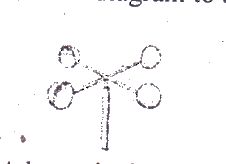
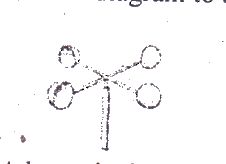
Use the diagram below to answer the question that follow:
The diagram represents a
7
Coloration of the eye is ______ variation
8
Which of the following choices correctly describes the composition of the cell membrane?
תְשׁוּבָה(B)
contains lipids and protein
9
The feeding relationship among a set of members of a community is referred to as _______?
10
Nitrogen is released into the atmosphere when ________
11
Size, colour and fingerprints are examples of ______
12
The level of organization in spirogyra and volvox is
13
Which of the following scenarios is an example of cohesion?
תְשׁוּבָה(D)
Water molecules stick to one another and form a bead
14
The common thing in plant and animal cell is
15
The modification in structure, physiology and behaviour of plant and animal is called ______
16
Use the diagram to answer the question that follows
The instrument is used to measure
17
A bacteria that is spherically shaped is called?
18
The flame cells are used for excretion in
19
Food chain refers to the feeding relationships between animals in a ______?
20
The host of Taenia Solium is _________
21
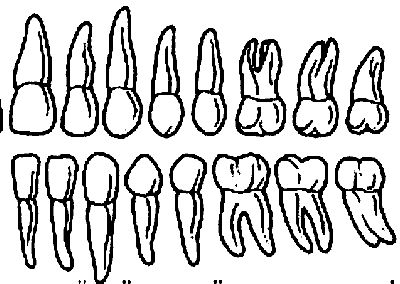
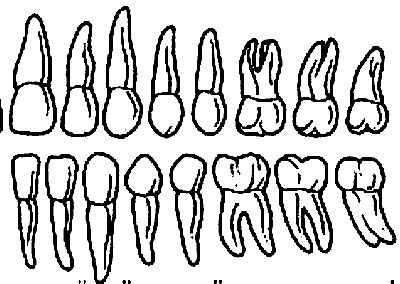
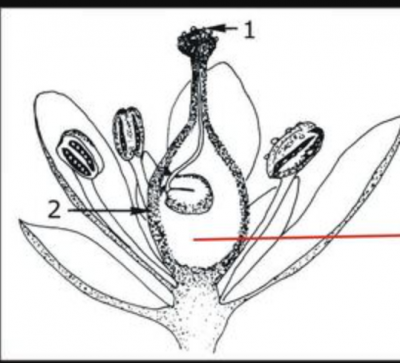
Use the diagram to answer the question that follows.
The dentition is found in
22
When an ovary is placed on the receptacle above the other floral parts it is referred to as
23
The type of nutrition exhibited when organism lives on the body surface or inside the body of another type of organism is
24
An example of organism which exists as a colony is
25
The following are example of morphological variation except
26
Ability to taste PTC in some individuals is a character that is
27
Agglutination is the _______ of the ________
תְשׁוּבָה(D)
coagulation, red blood cell
28
What organelle is the site of photosynthesis in plants?
29
Which of the following is a characteristics of a bacteria except _______?
תְשׁוּבָה(D)
they do not cause disease
30
The level of organization of Amoeba and Euglena cell is
________?
31
The appendicular skeleton includes
תְשׁוּבָה(A)
pectoral and pelvic girdles
32
The protista that is a producer in an aquatic food chain is
33
The difference in structure, morphological and behavior of plant and animal is called
34
Use the diagram to answer the question that follows
The structure is adapted for
35
The product after the union of the male and female gamete in animals is called
36
The possession of scales, laying of eggs with shells and bony structure of the head are characteristics shared by
37
The lungs of the lung fish is an adaptation for respiration _______?
תְשׁוּבָה(B)
to complement gills while on land
38
Which of the following is an example of active transport?
תְשׁוּבָה(D)
Sodium being reabsorbed in the kidney
39
The key event in the transition of the amphibians from water to land is the ________
תְשׁוּבָה(A)
replacement of the gills with lungs
40
Erythrocytes are known as ________
41
Gregor Mendel is regarded as the father of ______
42
The most efficient respiratory structure used by free living protozoan is ________
43
Carbon (iv) oxide is added to the atmosphere when ________?
תְשׁוּבָה(C)
sugars are completely broken down in animals
44
The host of liver fluke are ______?
45
Use the diagram to answer the question that follows
The part labelled 1 is the ________