WAEC - Biology (1994)

  • 1
    All animals are dependent on green plants because plants
    پاسخ دهید
    (E)
    manufacture food for animals
  • 2
    The scientist who discovered the cell while examining a thin slice of cork under the microscope was
    پاسخ دهید
    (A)
    Robert Hooke
  • 3
    The two important physical processes involved in the absorption and transport of materials in plants are
    پاسخ دهید
    (D)
    osmosis and diffusion
  • 4
    The process by which plants manufacture food from carbondioxide and water, using energy from the sun is
    termed
    پاسخ دهید
    (B)
    photosynthesis
  • 5
    The process in which insects undergo conspicuous changes in form and appearance during development
    is known as
    پاسخ دهید
    (B)
    metamorphosis
  • 6
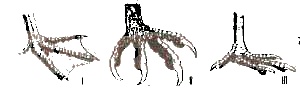
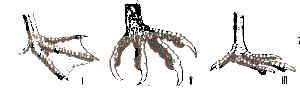
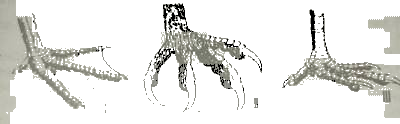
    What is the foot labelled I adapted to?
    پاسخ دهید
    (C)
    Swimming in water
  • 7

    The foot labelled III is strong and has blunt claws
    on its digits, This implies that the bird

    پاسخ دهید
    (D)
    uses the foot to scratch the soil
  • 8

    The long and sharp claws in the font labelled ll show that the bird uses them to?

    پاسخ دهید
    (A)
    hold onto its prey
  • 9
    Conventional method of sewage disposal involves all the following except defaecating
    پاسخ دهید
    (B)
    in open fields
  • 10
    Which of the following actions is not an example of a simple reflex action?
    پاسخ دهید
    (D)
    Reading a book
  • 11
    In which of the following is a cellulose cell wall present
    پاسخ دهید
    (C)
    spirogyra
  • 12
    Which of the following organisms exists as a filament?
    پاسخ دهید
    (E)
    Spirogyra
  • 13
    All the following can illustrate the dynamic nature of the ecosystem except
    پاسخ دهید
    (E)
    locomotion in organisms
  • 14
    Which of the following measures does not ensure conservation?
    پاسخ دهید
    (E)
    Enclosing fishes in ponds where they will not be stolen
  • 15
    Which of the following is not required for primary production to occur in plants?
    پاسخ دهید
    (B)
    Sugar
  • 16
    Which of the following blood group(s) is/are the universal donor(s)
    پاسخ دهید
    (A)
    O
  • 17
    The branch of science which deals with resemblances, origin and expression of biological variations is
    called
    پاسخ دهید
    (D)
    genetics
  • 18
    Which of the following can cause desert encroachment?
    پاسخ دهید
    (E)
    Overgrazing
  • 19
    The morphological, physiological and behavioural characteristics which enable an organism to survive in
    its environment is called
    پاسخ دهید
    (D)
    adaptation
  • 20
    Which of the following performs the same function as the contractile vacuole of a unicellular organism?
    پاسخ دهید
    (A)
    Kidney
  • 21
    Which of the following represents the correct order in a possible food chain?
    پاسخ دهید
    (D)
    Diatom -> crustacean -> fish -> man
  • 22
    Which of the following relationships illustrates competition?
    پاسخ دهید
    (B)
    Goats and cows grazing on a small grass lawn
  • 23
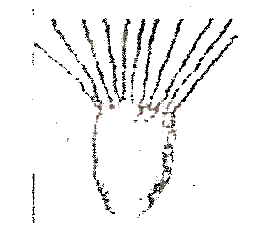
    Which of the following agents is responsible for the dispersal of the seed shown above?
    پاسخ دهید
    (C)
    Wind
  • 24
    The structure used by fishes to detect the presence and movement of other animals
    by the vibration they produce is the
    پاسخ دهید
    (C)
    lateral line
  • 25
    Muscles are attached to bones by means of
    پاسخ دهید
    (D)
    tendons
  • 26
    The ability of the eye to alter the focal length of the lens, with regard to the distance of the object from
    the eye is known as
    پاسخ دهید
    (D)
    accommodation
  • 27
    What is the fate of the ovary of a flower after fertilization?
    پاسخ دهید
    (C)
    becomes the fruit
  • 28

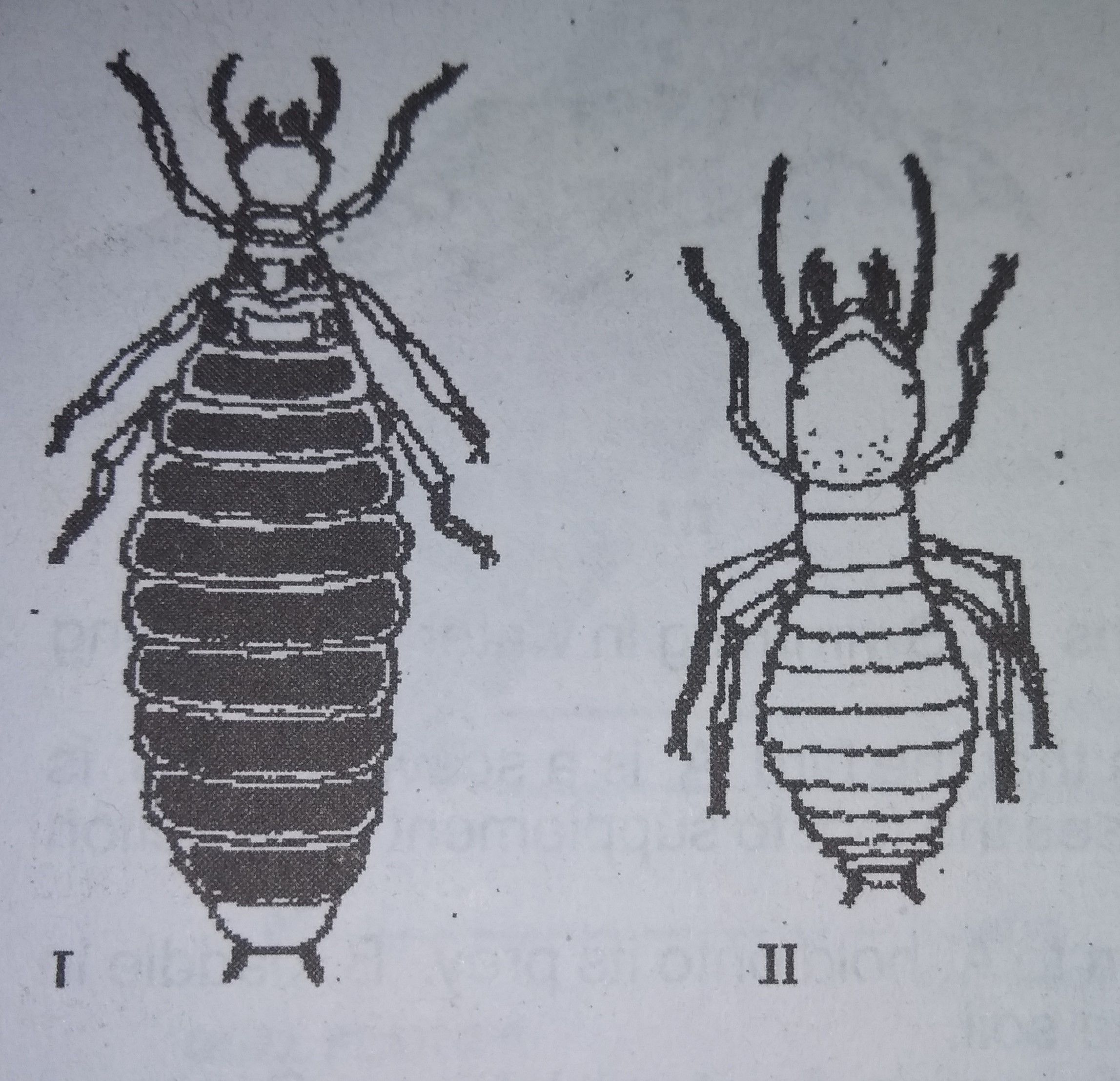
    The diagrams above represent a group of insects known to be

    پاسخ دهید
    (A)
    colonial
  • 29

    In their system of organisation, the diagram labelled II plays the role of a

    پاسخ دهید
    (B)
    soldier
  • 30
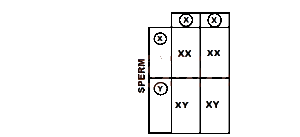
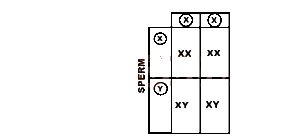
    Which of the following determines a normal male offspring?
    پاسخ دهید
    (D)
    XY
  • 31

    What is the theoretical probability that a normal male child will be born?

    پاسخ دهید
    (A)
    1\2
  • 32
    Which of these is not part of the appendicular skeleton?
    پاسخ دهید
    (B)
    Vertebral column
  • 33
    Which of the following factors does not control population growth?
    پاسخ دهید
    (C)
    Abundance of food
  • 34
    The following conditions form the basis of competition in a habitat except
    پاسخ دهید
    (E)
    body structure
  • 35
    The part of the ear which equalizes air pressure on either side of the eardrum is
    the
    پاسخ دهید
    (C)
    Eustachian tube
  • 36
    Mutation leads to evolution in that it
    پاسخ دهید
    (C)
    gives rise to new individuals which differs considerably from their parents
  • 37
    The process whereby poisonous compounds are made harmless in the liver is called
    پاسخ دهید
    (D)
    detoxification
  • 38
    The deficiency of calcium in a plant may result in
    پاسخ دهید
    (A)
    stunted growth and poor root development
  • 39
    Which of the following is the least safe method of birth control? Using
    پاسخ دهید
    (E)
    the withdrawal method
  • 40
    Which of the following does not imply attempt at conservation?
    پاسخ دهید
    (E)
    Retraining from the use of the natural resource
  • 41
    The gradual, cumulative, adaptive and heritable changes in an organism over a long period of time resulting
    in emergence of new species is known as
    پاسخ دهید
    (E)
    organic evolution
  • 42
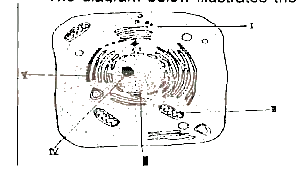
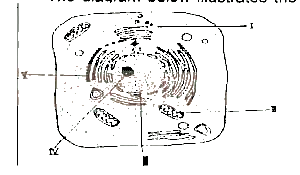
    The structure that produces the energy required by the cell is labelled
    پاسخ دهید
    (B)
    II
  • 43
    The structure labelled V is the
    پاسخ دهید
    (B)
    ribosome
  • 44
    In which of the following organisms is the siphon found?
    پاسخ دهید
    (B)
    Pupa of mosquito
  • 45
    Which of the following is not a pollution control measure?
    پاسخ دهید
    (E)
    Channelling sewage into streams
  • 46
    Which pair of structures contributes to balance in mammals?
    پاسخ دهید
    (A)
    Utriculus and Sacculus
  • 47
    Spermatogenesis and Oogenesis are both terms used to describe
    پاسخ دهید
    (E)
    gametogenesis
  • 48
    Which of the following is not a continuous variation?
    پاسخ دهید
    (C)
    Ability to roll tongue
  • 49
    which of the following is not a conservable natural resource?
    پاسخ دهید
    (B)
    Sunlight
  • 50
    Which of the following plant diseases is indicated when grains of cereals are covered with a mass of
    spores?
    پاسخ دهید
    (A)
    Smut
  • 51
    Which of the following structural features in animals does not affect control of body temperature?
    پاسخ دهید
    (D)
    Capillaries
  • 52
    The control of water and salt requirements of the body in order to maintain a stable internal environment
    is known as
    پاسخ دهید
    (E)
    homeostasis
  • 53
    Which of the following is not a condition necessary for germination to occur in most seeds?
    پاسخ دهید
    (E)
    Soil fertility
  • 54
    Which of the following structural features adapts Drosera (Sundew) to its carnivorous mode of nutrition?
    پاسخ دهید
    (B)
    Club-shaped glandular hairs on leaves
  • 55
    Which of the following terms is not associated with finger prints?
    پاسخ دهید
    (C)
    Suture